
Most people diagnosed with open-angle glaucoma start treatment with a bottle of prescription eye drops, and many stay on them for years. For patients who also need cataract surgery, a tiny implant called the iStent offers another way to lower eye pressure.
Keep reading to learn more about the iStent, how it compares to glaucoma drops, and whether the procedure could be right for you.
Why Glaucoma Treatment Hinges on Lowering Eye Pressure
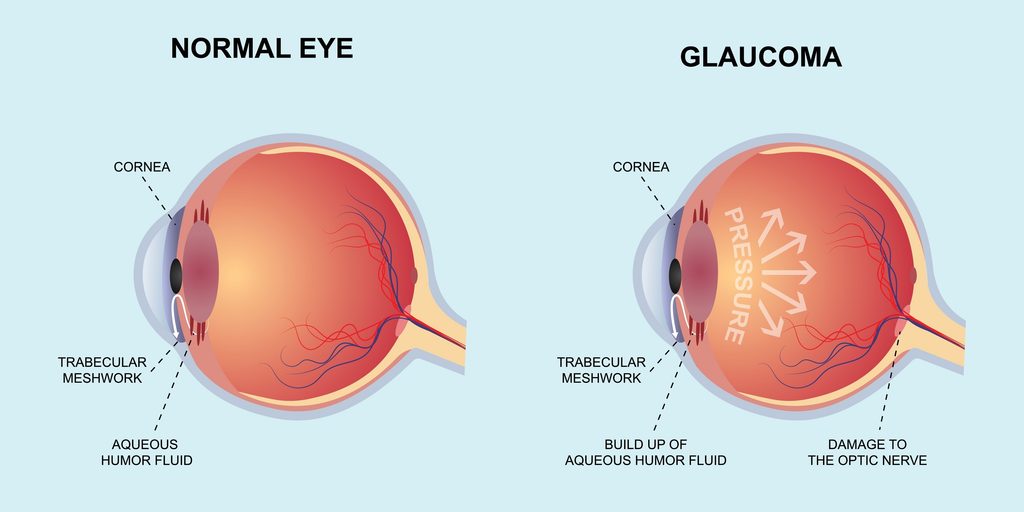
Glaucoma damages the optic nerve, usually because fluid inside the eye (aqueous humor) does not drain as efficiently as it should. As fluid builds up, intraocular pressure rises, and the nerve fibers that carry visual information to the brain gradually die off. Vision lost to glaucoma cannot be restored, so effective glaucoma treatment aims at the same target: bringing pressure down and keeping it there.
Prescription eye drops and the iStent reach that target by different routes. Some drops reduce how much fluid the eye produces, while others help fluid leave the eye through alternate pathways.
The iStent works mechanically. At roughly one millimeter long, the titanium device sits in the trabecular meshwork, the eye’s natural drain, and holds open a permanent channel so fluid can flow out more freely.
Batra Vision Medical Group has an advanced glaucoma program that includes both medical and surgical management, and Dr. V. Nicholas Batra was one of the first surgeons in the Bay Area to offer iStent. That experience with both approaches allows the team to weigh them side by side for each patient.
The Pros of Glaucoma Drops
Prescription drops remain the standard first-line treatment for open-angle glaucoma because they are noninvasive, work for most patients, and are easy to dose. If one medication causes side effects or does not lower pressure enough, an ophthalmologist can switch to a different class or add a second drop.
Drops also let patients begin treatment the same day they are diagnosed. Someone with early glaucoma may reach their target pressure with a single drop used once each evening, with no procedure and no recovery time. Common medication classes include:
- Prostaglandin analogs, usually taken once daily, which increase fluid outflow
- Beta blockers, which reduce fluid production
- Alpha agonists, which reduce production and increase outflow
- Carbonic anhydrase inhibitors and rho kinase inhibitors, often added when a single drop is not enough
The Cons of Glaucoma Drops

Glaucoma drops only work when patients use them correctly every day, often for the rest of their lives. Missed doses and drops that run down the cheek instead of absorbing into the eye can let pressure creep back up without warning. Because glaucoma rarely causes symptoms until damage is advanced, a patient may feel perfectly fine while the disease progresses behind the scenes.
Glaucoma eye drops can also come with side effects. Prostaglandin analogs can cause red eyes, darken the color of the iris, and lengthen eyelashes. Beta blockers can affect heart rate and breathing in some patients, especially those with asthma or certain heart conditions. Alpha agonists sometimes trigger allergic reactions around the eyes.
Many glaucoma drops contain preservatives that can irritate the eye’s surface with long-term use, and people who use several drops each day often develop symptoms of dry eye syndrome, such as burning, grittiness, and fluctuating vision.
Cost is another factor: even with insurance, copays for brand-name drops add up month after month, and patients using two or three medications feel the pinch most.
The Pros of iStent
The iStent’s main advantage is that it works around the clock without any effort from the patient. Once in place, it cannot be forgotten, skipped, or misaimed as eye drops can be. For many people, that steady pressure control is a relief after years of managing a drop schedule.
At Batra Vision Medical Group, iStent is placed during cataract surgery for eligible patients. Your cataract surgeon inserts the iStent through the same small incision used to remove the cloudy lens, so the procedure adds only a few minutes and does not require a separate recovery. Patients go home the same day and follow largely the same aftercare plan they would for cataract surgery alone.
Other advantages include:
- Many patients reduce the number of drops they need, and some stop using them entirely
- The device is too small to see or feel after surgery
- It does not disturb the tissue on the surface of the eye, so more involved glaucoma surgeries remain available later if needed
- Fewer drops often means less surface irritation and lower medication costs
The Cons of iStent
The iStent is not a cure, and it does not guarantee a drop-free life. It lowers pressure modestly, which makes it a good match for mild to moderate glaucoma but often not enough on its own for advanced disease. Some patients still need prescription eye drops after surgery, and the iStent’s effect can vary from one eye to the other.
The iStent also has firm limits on who can receive it. It is designed for open-angle glaucoma and is not appropriate for angle-closure glaucoma, neovascular glaucoma, or conditions that raise pressure in the veins around the eye, such as thyroid eye disease.
Like any surgery, iStent carries some risk. Possible complications include temporary pressure spikes, inflammation, minor bleeding inside the eye, and stent blockage or shifting. Serious problems are uncommon, but it’s important to understand the risks before deciding.
Which Option Fits Your Situation?

For many patients, timing drives the decision between glaucoma drops and the iStent. Someone newly diagnosed with glaucoma and no cataracts will usually start with drops. Someone who has used drops for several years and now needs cataract surgery has a natural window to add an iStent and potentially lighten their medication routine.
Your ophthalmologist will consider the type and stage of your glaucoma, how well your current drops control pressure, any side effects or trouble applying drops, and your overall health. A patient with arthritis who struggles to squeeze a bottle may benefit more from the iStent than someone who has used one well-tolerated drop for a decade.
Regardless of the path you choose, patients with an iStent or patients who use glaucoma drops still need regular pressure checks, visual field testing, and optic nerve imaging to confirm the treatment is holding. The Batra Vision team reviews these results at each visit and adjusts treatment recommendations if pressure begins to rise, ensuring your plan stays up to date with your current health and lifestyle needs.
Wondering whether an iStent could reduce your dependence on daily glaucoma drops? Schedule an appointment at Batra Vision Medical Group in San Leandro, CA, today.


 Follow Us!