Cataract surgery is the most common operation for Americans over 65, with more than 14 million done each year in the United States. For most of that time, surgeons used handheld blades and ultrasound to remove the cloudy lens.
Today, patients have another option: laser-assisted cataract surgery. This method uses a computer-guided femtosecond laser to handle some of the most delicate parts of the procedure.
Batra Vision Medical Group was the first in the San Francisco Bay Area to use advanced femtosecond laser technology for cataract surgery with the LenSx, VERION, and ORA systems. Both traditional and laser methods are safe and effective, but they differ in how each step is performed.
Here are six ways laser cataract surgery has changed what patients can expect.
1. The Precision of a Laser Replaces a Handheld Blade
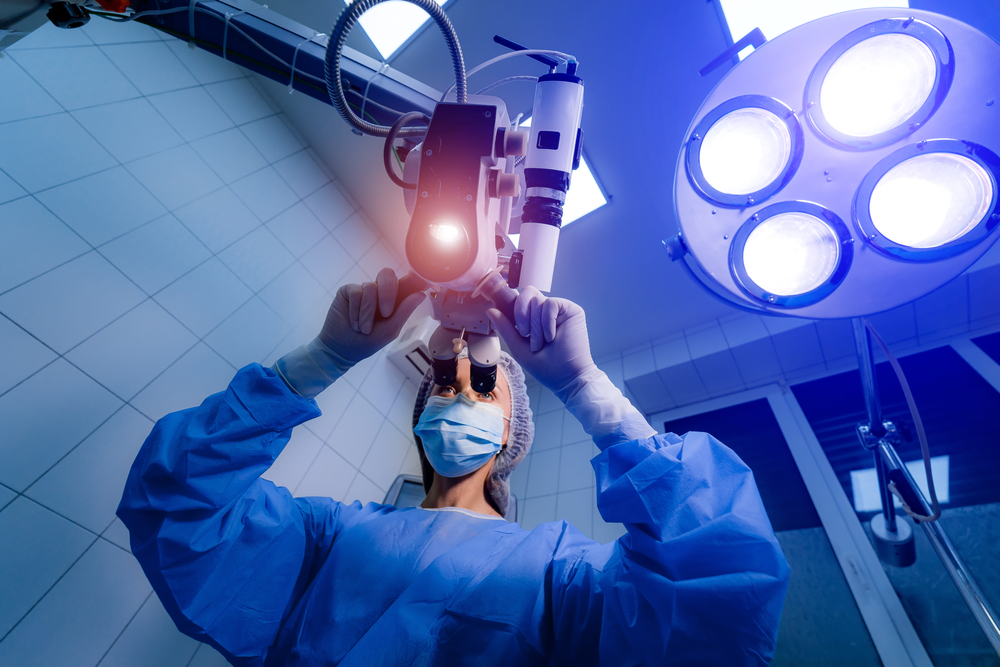
In traditional cataract surgery, the surgeon uses a metal or diamond blade to create the small incisions that open the eye and give access to the clouded lens. The steadiness, angle, and depth of that cut depend on the surgeon’s hand and experience.
Laser cataract surgery uses a femtosecond laser, guided by a computer plan, instead of a blade. The laser makes each cut at a set location, depth, and length, following the plan exactly. These precise cuts often heal better on their own, which can mean fewer stitches and more predictable healing and vision results.
2. A 3-D Map of the Eye Guides Every Step
Before making any cuts, the laser creates a detailed image of the eye using optical coherence tomography (OCT). This scan gives a three-dimensional view of the cornea, lens, and nearby structures.
Your surgeon at Batra Vision Medical Group uses this map to plan where to make incisions and how to open the lens capsule, based on your eye’s unique measurements. This personalized plan helps account for small differences in eye shape and lens position that standard methods might overlook.
3. The Laser Can Make Recovery Smoother

Traditional cataract surgery uses ultrasound energy to break up the cataract so it can be removed. If the cataract is dense, more energy is needed, which creates heat and pressure near the cornea and other parts of the eye.
With the laser method, the femtosecond laser softens and breaks up the lens before removal. This means less ultrasound energy is needed, which puts less stress on the delicate tissue around the lens.
The innermost layer of the cornea, called the endothelium, is very sensitive to ultrasound. Using less energy is especially helpful for patients with weaker corneas. For many, this leads to a smoother and more comfortable recovery.
4. The New Lens May Sit Better
During cataract surgery, your surgeon makes a round opening in the thin capsule that holds the natural lens. This step, called a capsulotomy, is important because a well-shaped and centered opening gives the new lens a stable base.
Doing this step by hand takes skill, and results can vary. The laser, however, creates an opening that is always the same shape and size. This consistency is especially important for premium lens implants, which need to be centered for the best vision.
5. Astigmatism Can Be Treated During the Same Procedure
Many people with cataracts also have astigmatism, which is an uneven curve in the cornea that blurs vision. During laser cataract surgery, the surgeon can use the laser to make precise curved cuts that reshape the cornea and help reduce astigmatism.
These cuts are planned using the same 3-D map as the rest of the surgery, so they fit your eye’s exact shape. Fixing astigmatism during surgery can mean you need glasses less often afterward, especially if you get a special lens for astigmatism.
6. Real-Time Measurements Fine-Tune the Result
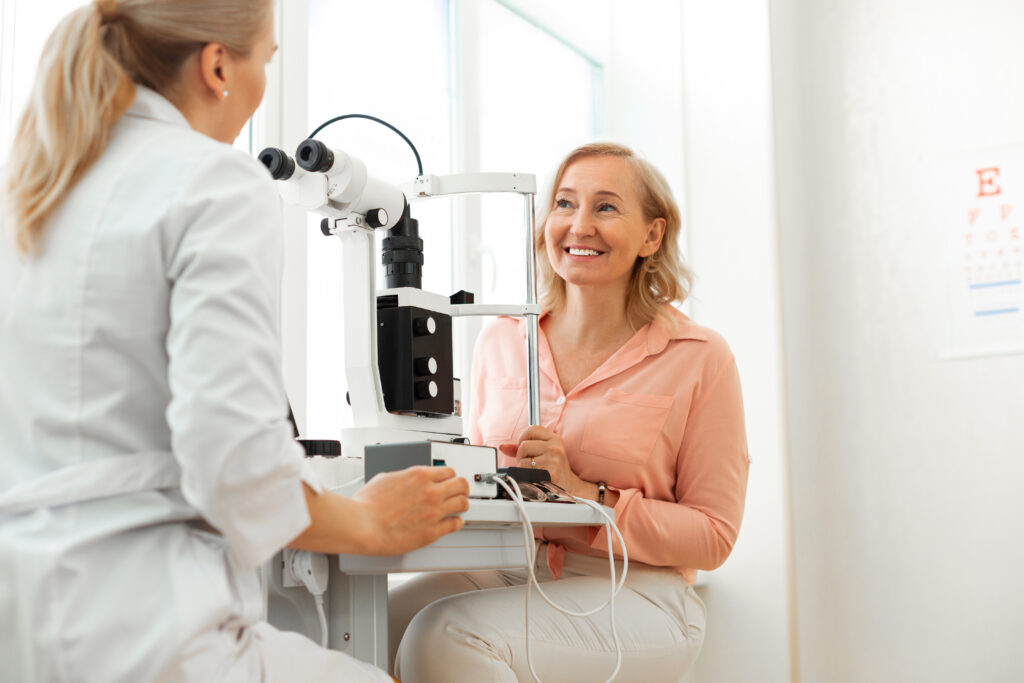
Traditional surgery mostly uses measurements taken before the operation to pick the new lens. At Batra Vision Medical Group, laser cataract surgery also uses the ORA system with VerifEye to measure your eye during the procedure.
This lets your surgeon check or adjust the lens choice and its position during surgery, right when it matters most. With a range of premium lenses, including the Light Adjustable Lens that can be changed after surgery, these tools help patients get the vision they want. Dr. V. Nicholas Batra, who teaches about laser cataract surgery and premium lenses across the country, has helped make these technologies standard at the practice.
Laser cataract surgery is not always the best choice for everyone. Traditional cataract surgery is still very safe and effective. The best way to decide is to have a consultation, since the right plan depends on your eye health, the lens you choose, and your daily vision needs.
Wondering whether laser cataract surgery could sharpen your results? Schedule an appointment at Batra Vision Medical Group in San Leandro, CA, today.


 Follow Us!