
If a family member has been diagnosed with glaucoma, you may be wondering whether you’re at risk, too. Glaucoma is a leading cause of preventable blindness in the United States, affecting more than 4 million people, and research has confirmed that genetics can play a significant role in who develops it.
The condition damages the optic nerve over time, often without early warning signs. Understanding the hereditary factors behind glaucoma can help you assess your individual risk and take the right steps early. Keep reading to learn more about how glaucoma and genetics are connected.
What is Glaucoma?

Glaucoma is a progressive eye condition in which the optic nerve gradually deteriorates, leading to permanent vision loss. In most cases, the damage is related to elevated intraocular pressure (IOP), the fluid pressure inside the eye. A clear fluid called aqueous humor continuously flows through the front part of the eye, but when the eye’s drainage system isn’t working properly, that fluid builds up and puts pressure on the optic nerve.
What makes glaucoma especially concerning is how quietly it progresses. There is typically no pain and no noticeable change in vision during the early stages.
Most people who have glaucoma don’t realize it until significant damage has already occurred. This is why routine comprehensive eye exams are so valuable. At Batra Vision Medical Group, our eye doctors prioritize early detection of glaucoma to give you the best chance at preserving your vision.
How Glaucoma is Tied to Genetics
Researchers have identified specific genes associated with several forms of glaucoma, and having a first-degree relative (a parent or sibling) with the condition increases your likelihood of developing it. For open-angle glaucoma, the most common type, mutations in genes such as myocilin, optineurin, and CYP1B1 have been linked to the disease.
However, according to the Glaucoma Research Foundation, these known genes account for less than 10% of cases of open-angle glaucoma worldwide. In recent years, large-scale genetic studies analyzing blood samples from thousands of glaucoma patients have uncovered additional risk factors in or near genes like CAV1/CAV2, TMCO1, SIX1/SIX6, and CDKN2B antisense RNA. These genetic changes don’t guarantee someone will develop glaucoma, but they do increase the probability.
Researchers have also identified genes tied to childhood and developmental forms of glaucoma, including PITX2, FOXC1, and PAX6, as well as genes associated with exfoliation glaucoma (LOXL1 and CNTNAP2). How exactly these gene variants lead to optic nerve damage is still being studied, but the connection between genetics and glaucoma risk is well established.
Types of Glaucoma With Genetic Links
Open-Angle Glaucoma

Open-angle glaucoma is the most common form of the condition and is characterized by a gradual, painless loss of peripheral vision. It develops when the eye’s drainage channels become less efficient over time, leading to a rise in IOP and damage to the optic nerve.
Open-angle glaucoma has the strongest body of genetic research, with multiple genes and risk variants identified. It’s important to note that people of African descent have a significantly higher risk of developing this type.
Angle-Closure Glaucoma
In angle-closure glaucoma, the drainage angle between the iris and the cornea narrows or closes, blocking fluid from exiting the eye. If the drainage angle fully closes, it can lead to a rapid increase in pressure and irreversible vision loss.
Genetic variants near genes like PLEKHA7 and COL11A1 have been associated with angle-closure glaucoma. This type is also more prevalent among people of Asian descent.
Congenital Glaucoma
Congenital glaucoma is present at birth or develops in the first few years of life. It results from abnormal development of the eye’s drainage system.
Mutations in the CYP1B1 gene are the most well-known genetic cause, particularly in populations in the Middle East and central Europe. In the United States, only about 15% of children with congenital glaucoma carry a CYP1B1 mutation, which means additional genetic causes remain to be identified.
Other Glaucoma Risk Factors Beyond Genetics
Family history is one of the most significant risk factors for glaucoma, but it isn’t the only one. Age plays a major role, as glaucoma becomes more common after 60.
Certain medical conditions can also raise your risk. Diabetes, high blood pressure, and hypothyroidism have all been linked to a greater likelihood of developing glaucoma. Previous eye injuries and chronically elevated IOP are additional factors your eye doctor will consider during a screening.
Protecting Your Vision if Glaucoma Runs in Your Family
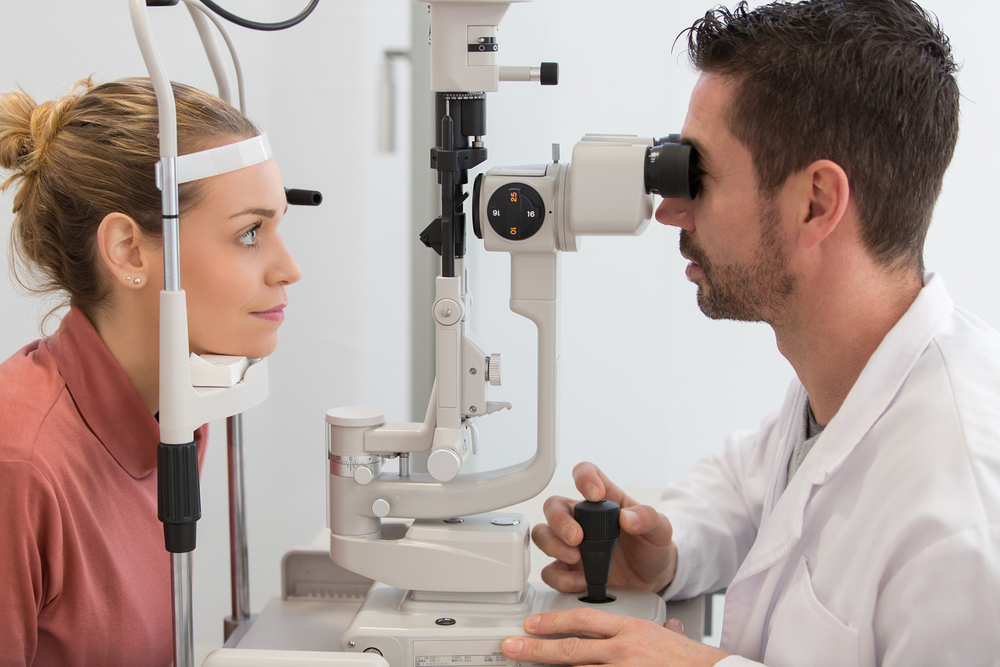
If you have a family history of glaucoma, one of the most important things you can do is tell your ophthalmologist. Sharing this information allows your eye doctor to monitor you more closely and look for the earliest signs of the disease, often before you’d notice any changes on your own.
Regular comprehensive eye exams are the best way to catch glaucoma early. Because treatment is most effective when the disease is detected in its beginning stages, early screening can make a real difference in preserving your long-term vision.
Batra Vision Medical Group offers a range of glaucoma treatments, including prescription medications and laser procedures, as well as advanced surgical options such as trabeculectomy, valve surgery, and the iStent Trabecular Micro-Bypass. The right approach depends on the severity and type of glaucoma, and your eye doctor will work with you to find the best fit.
If you’ve already been diagnosed with glaucoma, consider letting your family members know. Encouraging them to schedule their own eye exams could help protect their vision, too.
Schedule a glaucoma screening at Batra Vision Medical Group in San Leandro, CA, today to take control of your eye health and protect your vision for the future.
 Follow Us!