
When you hear the words “early glaucoma” during a routine eye exam, your mind might immediately jump to worst-case scenarios. You might picture a future filled with progressive vision loss or complex medical procedures.
The reality, though, is far more encouraging. Early detection of glaucoma means you have access to a range of effective, minimally invasive treatments that can preserve your sight for years to come. Keep reading to learn about the proven treatment options that can help you maintain clear, healthy vision.
Why Early Glaucoma Detection Makes All the Difference
Glaucoma is a progressive condition in which increased pressure inside the eye due to fluid buildup gradually damages the optic nerve.
Once that damage occurs, it’s permanent. Vision lost to glaucoma cannot be restored. This makes early detection incredibly valuable. When glaucoma is identified before significant nerve damage has developed, treatment can effectively slow or halt its progression.
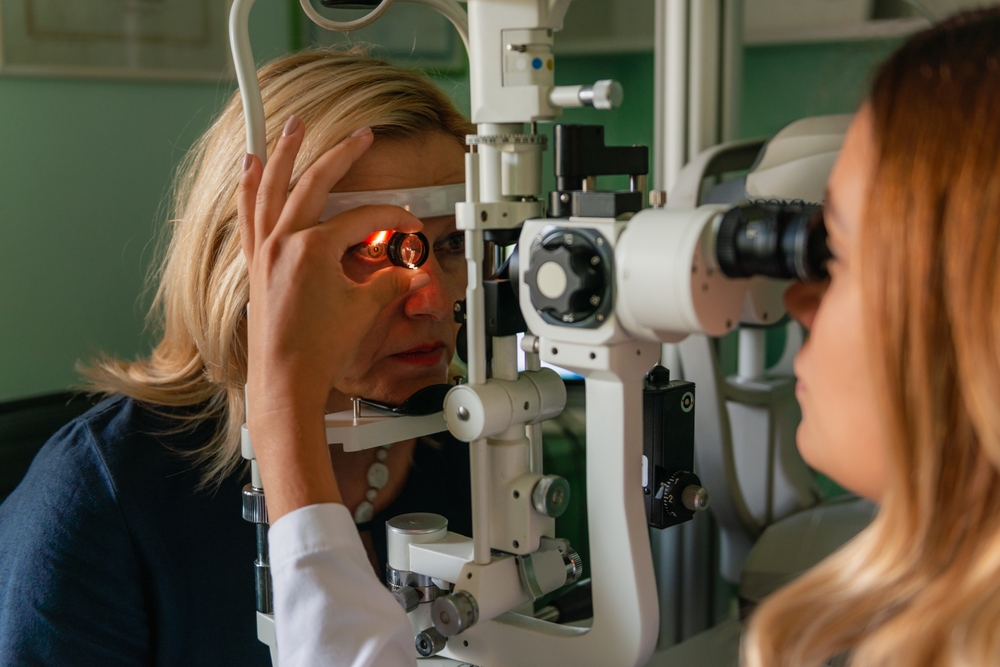
During a comprehensive eye exam at Batra Vision Medical Group, your eye doctor measures your intraocular pressure (IOP), examines your optic nerve, tests your peripheral vision, and assesses your corneal thickness.
These evaluations help identify glaucoma before any symptoms are noticeable. The earlier your eye doctor detects elevated pressure or early nerve changes, the more effectively they can preserve your remaining vision with appropriate early glaucoma treatment.
Prescription Eye Drops: First Line of Defense
For most patients with early glaucoma, treatment begins with prescription eye drops. These medications work by either reducing the amount of fluid your eye produces or by improving how that fluid drains. Either approach lowers the pressure inside your eye, which protects the optic nerve from further damage.
Your ophthalmologist will prescribe the specific type of drop that best suits your needs. Prostaglandin drops, for instance, increase fluid outflow and are typically used once daily. Beta blockers reduce fluid production and can be used once or twice daily. Some patients require only one type of medication, while others benefit from a combination of medications to achieve their target eye pressure.

The key to success with eye drop therapy is consistency. Missing doses allows your eye pressure to rise again, potentially causing additional nerve damage. Your eye doctor will demonstrate the proper technique for applying drops and explain the optimal timing for your specific medications.
Many patients find it helpful to link their eye drop routine to another daily habit, like brushing their teeth, to ensure they never miss a dose. Side effects are generally mild but can include temporary stinging, redness, or changes in the appearance of your eyes.
If you experience any uncomfortable side effects, please notify your eye doctor. Often, adjusting the medication type or timing can resolve these issues while still controlling your pressure effectively.
Laser Treatment Options
When eye drops alone don’t lower your eye pressure enough, you experience unwanted side effects, or if you have difficulty using them consistently, laser therapy becomes an excellent option.
Laser trabeculoplasty is a quick, in-office procedure that improves drainage through your eye’s natural filtering system. The laser targets the drainage angle where your iris meets your cornea, stimulating better fluid outflow.
The procedure itself takes only a few minutes. You’ll receive numbing eye drops, and your doctor will use a special lens to direct the laser precisely. Most patients feel little to no discomfort during treatment. Afterward, you can typically resume normal activities right away, though you’ll need to use anti-inflammatory drops for a few days.
Results from laser treatment develop gradually over several weeks as your eye’s drainage system responds. Many patients see significant pressure reduction that lasts for several years.
Minimally Invasive Glaucoma Surgery (MIGS)
For patients whose glaucoma needs more than drops or laser therapy can provide, minimally invasive glaucoma surgery offers effective pressure control with less risk and faster recovery than traditional surgery.
One of the most innovative options is the iStent, a microscopic device that creates a permanent opening to improve fluid drainage. The iStent is so small you won’t be able to see or feel it after placement, yet it works continuously to lower your eye pressure.
Dr. Batra was one of the first ophthalmologists in the Bay Area to offer this advanced technology to his patients. The device is typically implanted during cataract surgery, enabling patients to address two common age-related eye conditions in a single procedure. For patients who don’t need cataract surgery, the iStent can still be placed as a standalone treatment.
MIGS procedures, such as iStent placement, involve minimal disruption to your eye’s natural anatomy. Recovery is quicker and less complicated than with traditional glaucoma surgeries. Most patients notice reduced dependence on glaucoma medications after the procedure, though some may still need drops to maintain their target pressure.
Building Your Personalized Treatment Plan

No two glaucoma patients are exactly alike. Your ophthalmologist considers multiple factors when recommending treatment, including your current eye pressure, the rate of progression of your glaucoma, your overall eye health, and your ability to use medications consistently.
Treatment often evolves as your condition changes or as you respond to different approaches. Regular follow-up appointments are essential for successful glaucoma management. These visits enable your doctor to monitor your eye pressure, assess any progression of optic nerve damage, and adjust your treatment as necessary.
Your lifestyle, preferences, and other health conditions also influence which treatments are most effective for you. Patients who travel frequently might prefer laser treatment or surgery over daily eye drops. Those with arthritis in their hands might find drop application challenging.
By discussing these factors openly with your ophthalmologist, you can develop a treatment plan that protects your vision while fitting naturally into your life.
Protect Your Vision with Comprehensive Glaucoma Care
Early glaucoma treatment offers excellent potential to preserve your vision. With today’s range of options, from simple eye drops to minimally invasive procedures, most patients can maintain stable vision when they stay consistent with treatment and monitoring. The damage that glaucoma causes is permanent, but progression can be stopped or significantly slowed with appropriate care.
Stay on top of your early glaucoma by scheduling your appointment at Batra Vision Medical Group in San Leandro, CA, today!
 Follow Us!